
In the quest for more efficient travel, smart route choices have become the backbone of contemporary transportation solutions. From apps that predict traffic to AI-driven guidance systems, learn how these innovative strategies are transforming journeys into seamless experiences.
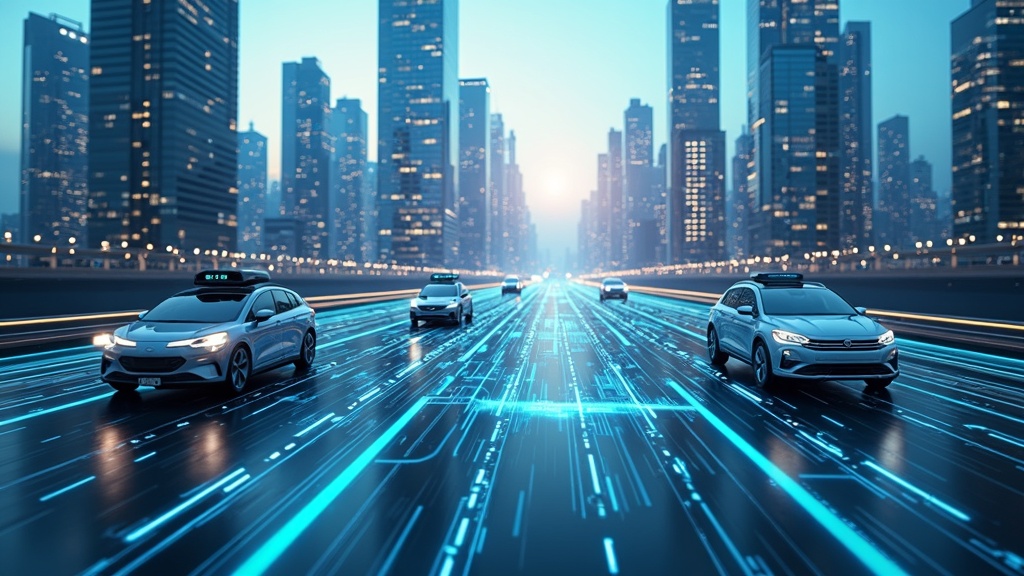
Understanding the Mapping Matrix
At the heart of efficient travel lies advanced mapping technology. The digital age empowers us with precise, real-time maps, but not all maps are created equal. By leveraging satellite imagery and big data, companies like GeoNav have developed tools that redefine how we visualize our routes. Their technology not only illustrates the road ahead but also highlights potential reroutes caused by unforeseen circumstances, ensuring a worry-free travel experience.
Mastering the Art of Timing
Timing is everything when it comes to journey efficiency. With cities bustling at unpredictable cadences, Jerry Mendez, a logistics analyst, emphasizes the importance of departure timing. His team's dynamic forecasting models utilize historical data and predictive analytics to suggest optimal travel times. This nuanced approach can reduce travel time significantly, resonating with urban dwellers’ desire for punctuality and stress reduction.
Strategic Stops: Enhancing Your Journey
Smart stops are integral to efficient travel plans, especially on long journeys. Amelia Chaudhary, an expert in travel logistics, suggests measuring break points not just by rest needs but by traffic flow data and local insights. Stops that coincide with high traffic intervals or integrate cultural experiences can redefine mundane journeys into eclectic adventures, striking a balance between efficiency and leisure.
Dynamic Navigation Solutions
Old-fashioned GPS systems are rapidly evolving. Today's navigation solutions are equipped with machine learning capabilities that learn a traveler’s preferences and adapt routes accordingly. Companies like AutoPath are at the forefront, offering dynamic recalculations alerting users of changes in traffic, accidents, or weather conditions in real time. This adaptability not only saves time but optimizes the entire travel experience.
Integrating Efficiency in Motion
Efficient travel is synonymous with seamless mobility. Vehicles outfitted with smart technology, such as Tesla's autopilot, employ route learning algorithms to maximize energy efficiency and reduce wear. Dr. Isabelle Tan, a mobility researcher, predicts a rise in such advanced vehicular technologies becoming standard, marking a pivotal shift towards automated travel solutions that align with smart city ecosystems.
Exploring the Logistics of Intelligent Travel
An often-overlooked dimension of smart routing is its logistics. Scott Yao, a transport planner, explains that logistics is more than just route optimization—it's about reliable timing, safety assurances, and responsive communication. Advanced logistics platforms now share critical information with travelers, ranging from shipment progress to potential delays, making intelligent travel not only swift but dependable too.
Predictive Analytics: The New Frontier
As we edge into an era of data-driven decision making, predictive analytics stand as the next frontier in smart routing. By harnessing vast sets of historical data, algorithms predict potential route delays before they materialize, offering contingency plans in advance. This proactivity not only safeguards punctuality but significantly enhances user trust in digital navigation, a sentiment echoed by tech connoisseur Ravi Patel.
A Vision for the Tomorrow of Travel
In looking towards the horizon, it's evident that smart route choices will continue to evolve, driven by technological advancements and societal needs. As Jessica Nguyen, a futurist, posits, the synergy between human insight and artificial intelligence holds the promise of crafting routes that are efficient, enjoyable, and environmentally conscious. The future of travel is not merely reaching destinations—it's about transforming how we perceive and undertake the journey itself.