
Traveling is more than just moving from point A to B; it's about the experiences along the way. However, balancing spontaneity and structure can be tricky when mapping out travel stops without overwhelming your schedule. Here's a thoughtful guide to ensure you maximize enjoyment without losing the plot.
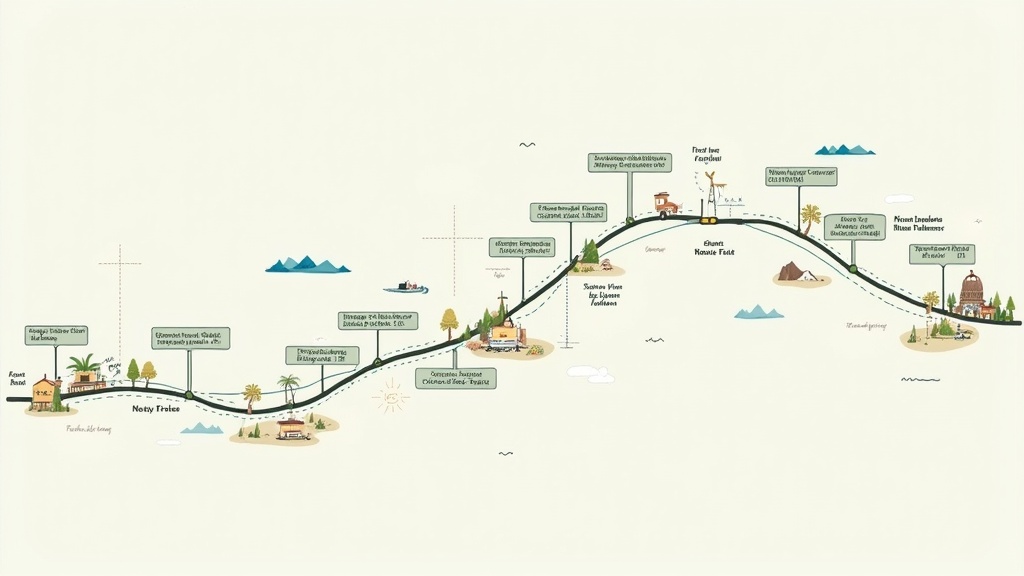
Begin with Purpose: Define Your Travel Goals
Every journey starts with a dream, but turning that dream into reality requires clear intent. Are you looking to relax, explore cultural sites, or have an adventure-packed vacation? Eliza and Jonathan, a couple who planned a trip across Europe, first set their priorities on visiting historical landmarks. This foundation allowed them to map stops that aligned with their goals while avoiding unnecessary detours.
Research, Research, Research: Know Your Terrain
Before setting out, arm yourself with knowledge. Dive into travel blogs, forums, and local tourism websites to uncover the must-see spots and hidden gems. For Eliza and Jonathan, researching the less advertised, yet captivating, villages in Tuscany added charm and uniqueness to their itinerary. This helped them cherry-pick destinations that resonated with their interests.
Prioritize with Precision: Setting Realistic Limits
It's easy to get carried away when every location promises the 'best experience.' However, meticulous mapping involves ruthless prioritization. Eliza and Jonathan prioritized two major cities per week, providing enough time to immerse in each locale without being rushed. This approach ensured meaningful experiences rather than a series of fleeting glimpses, creating a travel narrative that was as relaxing as it was exhilarating.
Timing is Everything: Master the Art of Scheduling
Timing your stops can make or break an itinerary. Leslie, a solo traveler, always advises integrating buffer times into daily plans. This trick compensates for unexpected delays while allowing spontaneous exploration. By departing early for each destination, travelers can maximize daylight hours for sightseeing, thus enhancing their journey's efficiency.
Versatility is Key: Plan for the Unexpected
Even the best-laid plans can go awry. Be prepared for change by including versatile stops that can adapt to time constraints. Michael discovered that having overlap-day destinations allowed him flexibility; he could shift events without stress if something unforeseen occurred. This adaptability is a safety net against the unpredictable nature of travel.
Tech-savvy Travels: Leveraging Apps for Seamless Navigation
Today's travels are unthinkable without technology. Using apps like Google Maps and TripIt, Jenny mapped her stops with high precision, accessing real-time data that adjusted for traffic and weather conditions. These digital companions can help optimize routes and manage directions efficiently, ensuring you're where you need to be at the exact right time.
Travel Light, Travel Smart: Optimize Your Pack
An often-overlooked aspect of efficient travel is the art of packing. Anne, a seasoned backpacker, emphasizes packing only essentials, leaving room for unforeseen buys or extra gear. Lighter baggage equals quick transitions between stops, minimizing downtime and boosting overall efficiency.
Local Expertise: Connecting with Locals for Hidden Gems
Some of the best mapping advice comes from those who live the map daily. Daniel sought out local guides who introduced him to unseen panoramas and authentic eateries off the tourist trail. These connections not only enriched his itinerary but also allowed him a slice of local life, an invaluable addition to his travel experience.
Review and Reflect: Post-Trip Adjustments for the Future
After the travel dust settles, take time to review your journey. Assess what worked and what didn’t. This reflection is pivotal for future trips. By analyzing their past adventures, Cheryl and Thomas developed a better understanding of what made their trips fulfilling, allowing them to refine their mapping strategies for the adventures ahead.